
Upper Eyelid Surgery in London: How Is Treatment Tailored to Individual Features?
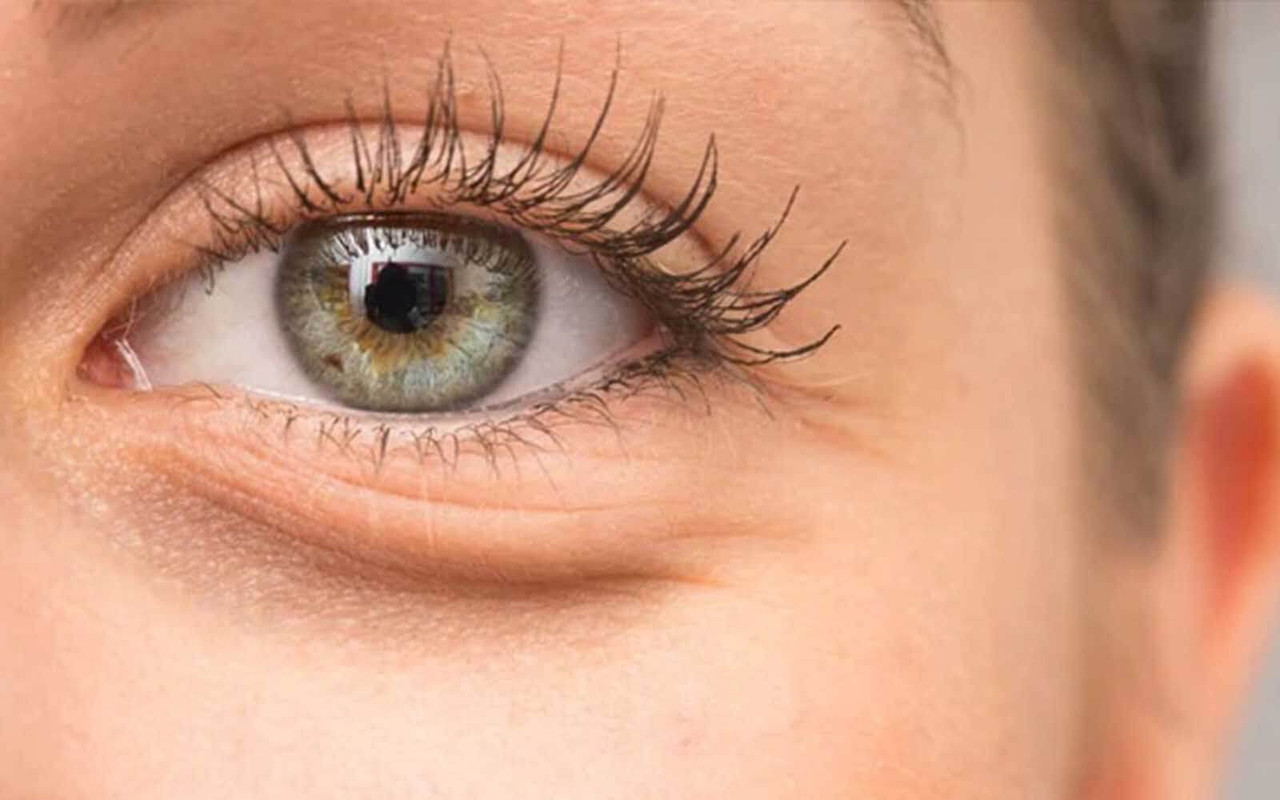 The upper eyelids play an important role in the appearance and expression of the face. Their shape, skin distribution, natural crease and relationship with the eyebrows can all contribute to the way the eyes look. Since these features vary from one person to another, upper eyelid surgery is often planned according to the individual’s facial characteristics rather than following one standard approach.
Upper Eyelid Surgery in London is a procedure that focuses on the upper eyelid area and can be planned around the patient’s individual anatomy and aesthetic preferences. A detailed consultation allows the specialist to assess the eyelids alongside the eyebrows, eyes and surrounding facial structures before developing a suitable treatment plan.
At Bodyvie Clinic, an individual assessment can help establish how the patient’s existing features may influence the approach to upper eyelid surgery. This allows treatment planning to focus on the person’s natural anatomy and desired appearance.
Why Individual Features Matter in Upper Eyelid Surgery
The upper eyelid is closely connected with several surrounding facial features. The eyebrow, forehead and eye shape all influence the appearance of the upper eyelid area.
People can have different eyelid creases, eyebrow positions, eye shapes and patterns of skin distribution. As a result, the approach used for one patient may not necessarily be appropriate for another.
During a consultation for Upper Eyelid Surgery in London, the specialist can assess these differences and consider how they relate to the patient’s overall facial appearance.
A personalised approach allows the treatment plan to reflect the individual’s existing features rather than attempting to create an identical result across different patients.
Assessing the Upper Eyelid Structure
A detailed assessment of the upper eyelid is an important part of treatment planning. The specialist can examine the eyelid from different angles and observe how it appears when the face is relaxed and during normal facial movements.
The assessment can consider factors such as:
- Upper eyelid skin distribution
- Natural eyelid crease
- Eyelid shape
- Eye opening
- Brow position
- Facial symmetry
- Relationship between the eyelid and surrounding structures
Understanding these characteristics can help the specialist determine how treatment should be approached for the individual patient.
Considering the Natural Eyelid Crease
The natural eyelid crease is an important feature when planning upper eyelid surgery. Its position and definition can vary between individuals and can contribute to the appearance of the eyes.
During consultation, the specialist can examine the position of the existing crease and how it relates to the eye and eyebrow.
This information can be incorporated into the surgical plan so that the approach is based on the patient’s existing anatomy.
For someone considering Upper Eyelid Surgery in London, discussing the natural eyelid crease during consultation can help explain how individual features may influence the planned procedure.
How Eye Shape Influences Treatment Planning
Eye shape is another important consideration. Eyes can vary in width, height, orientation and surrounding tissue characteristics.
The natural shape of the eyes contributes significantly to facial identity, so treatment planning can take this into account.
Rather than focusing only on the amount of upper eyelid skin, the specialist can consider the complete appearance of the eye area. This may include how much of the eyelid is visible, where the crease sits and how the eye relates to the eyebrow.
A tailored approach allows these individual characteristics to be incorporated into the treatment plan.
The Relationship Between the Eyebrows and Eyelids
The eyebrows and upper eyelids have a strong visual relationship. The position of the brow can influence the amount of visible skin above the eye and the overall appearance of the upper face.
For this reason, eyebrow position can be assessed alongside the upper eyelid during consultation.
The specialist may examine the natural shape and position of the eyebrows and consider how they relate to the eyelid crease.
This wider assessment helps ensure that treatment planning considers the upper eyelid as part of the overall facial structure rather than as an isolated area.
Assessing Facial Proportions
Facial proportions can also contribute to how the upper eyelids appear. The eyes sit centrally within the face, while the eyebrows and forehead form the surrounding upper facial framework.
When planning Upper Eyelid Surgery in London, the specialist can assess the eyelids in relation to these surrounding features.
The consultation may involve observing the relationship between the eyes, eyebrows, forehead and other facial structures. This can provide a broader understanding of how the upper eyelid contributes to facial balance.
Considering these proportions can help the treatment plan remain consistent with the patient’s existing appearance.
Understanding Differences Between the Two Eyes
The two sides of the face are not always perfectly symmetrical. Differences can occur in eyebrow position, eyelid crease height, eye shape and skin distribution.
During an upper eyelid assessment, the specialist can examine both sides individually and compare their characteristics.
Recognising these natural differences allows the treatment plan to account for the patient’s specific anatomy.
Instead of assuming that both eyelids are identical, the specialist can consider each side as part of the overall assessment.
Assessing Skin Distribution
The amount and distribution of skin on the upper eyelids can vary significantly. Some individuals may have more visible skin above the crease, while others may have a different pattern of skin distribution.
During consultation, the specialist can evaluate the upper eyelid skin and consider how it contributes to the patient’s appearance.
This assessment forms part of developing an individual treatment plan. It can also help the specialist explain which aspects of the upper eyelid are relevant to the proposed procedure.
A detailed evaluation ensures that treatment planning is based on the patient’s actual features rather than a generalised approach.
Considering Individual Aesthetic Goals
An individual’s preferences are another important part of treatment planning. Patients may have different ideas about the appearance they would like to achieve.
Some may want to maintain a particularly natural appearance, while others may be interested in a more defined upper eyelid contour.
During consultation, patients can explain what they would like to address and discuss their expectations with the specialist.
These preferences can then be considered alongside the anatomical assessment. Combining the patient’s goals with an understanding of their facial structure can help create a more personalised treatment plan.
How Consultation Helps Tailor Upper Eyelid Surgery
Consultation provides an opportunity to bring together anatomical assessment, personal preferences and treatment planning.
The specialist can examine the upper eyelids and surrounding structures, discuss the patient’s goals and explain how individual features may influence the procedure.
Photographs or measurements may also form part of the consultation process, depending on the clinic’s approach.
The information gathered can then be used to develop a surgical plan based on the patient’s individual characteristics.
For patients considering Upper Eyelid Surgery in London, this consultation stage can provide a clearer understanding of how their facial features may influence the proposed treatment.
Why a Personalised Approach Is Important
Every person’s facial anatomy is different. Factors such as eye shape, brow position, eyelid crease, skin distribution and facial proportions can all vary.
A personalised approach allows these differences to be considered before treatment.
It also means that the upper eyelid can be assessed as part of the wider face. This can help the specialist understand how the eyelids relate to the eyebrows, eyes and forehead.
Individualised planning is therefore an important part of creating an approach that is appropriate for the patient’s anatomy and aesthetic preferences.
How Lower Eyelid Features May Also Be Considered
Although upper eyelid surgery focuses on the upper eyelid, the overall eye area can sometimes be considered during a broader facial assessment.
The lower eyelids contribute to the appearance of the eyes and can influence how the upper and lower parts of the eye region relate to each other.
Patients considering eyelid procedures may therefore discuss both areas during consultation. Lower Eyelid Surgery In London is a separate procedure, but understanding the relationship between the upper and lower eyelids can provide useful context when assessing the overall eye area.
The specialist can determine whether the patient’s concerns relate specifically to the upper eyelids or whether other features should also be discussed.
Choosing an Eyelid Surgery Clinic in London
Choosing a suitable clinic is an important part of the treatment process. Patients may wish to consider the clinic’s experience with eyelid procedures, consultation process and approach to individual treatment planning.
An Eyelid Surgery Clinic in London can provide an opportunity for patients to discuss their concerns and have their eyelid characteristics assessed by a specialist.
Bodyvie Clinic offers aesthetic and surgical treatments, with consultation forming an important part of treatment planning. Patients can discuss their individual goals while their eyelid and surrounding facial structures are assessed.
Preparing for an Upper Eyelid Surgery Consultation
Patients can prepare for a consultation by considering the features they would like to discuss and writing down any questions they may have.
Useful subjects to discuss include:
- The natural shape of the upper eyelids
- Eyelid crease position
- Eyebrow position
- Eye shape and symmetry
- Skin distribution
- Facial proportions
- Individual aesthetic preferences
- The proposed surgical approach
- Recovery and follow-up arrangements
Having a clear conversation about expectations can help patients understand how their individual features may influence treatment planning.
What Makes Upper Eyelid Surgery Individualised?
Personalised upper eyelid surgery involves more than assessing the amount of skin around the eye. It involves understanding how different features work together.
The specialist can consider the eyelid crease, eye shape, eyebrow position, skin distribution, symmetry and surrounding facial proportions.
The patient’s aesthetic goals are also important. By combining these elements, the treatment plan can be developed around the individual rather than using a one-size-fits-all approach.
This is particularly relevant for patients seeking Upper Eyelid Surgery in London who want to understand how their natural features will be considered during treatment planning.
Conclusion
Upper Eyelid Surgery in London can be tailored to individual features by carefully assessing the patient’s eyelid anatomy, eye shape, natural crease, eyebrow position, skin distribution, facial proportions and symmetry. These characteristics can vary considerably between individuals, making personalised consultation an important part of treatment planning.
The relationship between the upper eyelids and surrounding structures can also be considered to understand how the eye area contributes to the overall appearance of the face. Personal aesthetic preferences can then be discussed alongside the anatomical assessment.
For anyone considering upper eyelid surgery, a consultation at an experienced Eyelid Surgery Clinic in London can provide an opportunity to understand how their individual features may influence the proposed approach. It can also allow patients to discuss their expectations and ask questions before deciding on treatment.
FAQs
What is Upper Eyelid Surgery in London?
Upper Eyelid Surgery in London is a surgical procedure focused on the upper eyelid area. Treatment can be planned according to the patient’s individual eyelid anatomy, facial structure and aesthetic preferences.
How is upper eyelid surgery tailored to individual features?
Treatment planning can consider eye shape, eyelid crease position, skin distribution, eyebrow position, facial proportions and natural differences between the two sides of the face.
Why is eye shape considered during upper eyelid surgery?
Eye shape contributes significantly to the appearance of the face. Assessing the natural shape of the eyes allows the specialist to develop a treatment plan that takes the patient’s existing characteristics into account.
Does eyebrow position affect upper eyelid surgery planning?
Yes. The eyebrows and upper eyelids have a close visual relationship. Brow position and shape can therefore be assessed as part of the overall upper eyelid consultation.
Is the natural eyelid crease assessed before surgery?
Yes. The position and characteristics of the natural eyelid crease can be examined during consultation and incorporated into individual treatment planning.
Why are facial proportions important in upper eyelid surgery?
The upper eyelids are part of the wider upper face. Considering their relationship with the eyes, eyebrows and forehead can help the specialist understand how the eyelids contribute to overall facial appearance.
Can upper eyelid surgery account for differences between the eyes?
The specialist can assess both eyelids individually and consider natural differences in crease position, eyebrow height, eye shape and skin distribution when planning treatment.
What happens during an upper eyelid surgery consultation?
The specialist can assess the upper eyelids and surrounding structures, discuss the patient’s aesthetic goals and explain how individual facial characteristics may influence the proposed surgical approach.
Can lower eyelids be discussed during an upper eyelid consultation?
Yes. Patients can discuss concerns involving both areas. Lower Eyelid Surgery In London is a separate procedure, but the relationship between the upper and lower eyelids can be considered when discussing the overall eye area.
How should I prepare for an upper eyelid surgery consultation?
It can be useful to consider your aesthetic goals, identify the features you would like to discuss and prepare questions about treatment planning, the surgical approach and follow-up process.
How do I choose an Eyelid Surgery Clinic in London?
When choosing an Eyelid Surgery Clinic in London, patients can consider the specialist’s experience, the consultation process and whether treatment planning is based on individual facial characteristics.
Why is a personalised approach important for upper eyelid surgery?
Facial anatomy varies from person to person. A personalised approach allows the specialist to consider individual eyelid characteristics, eye shape, brow position and facial proportions when developing the treatment plan.