
From Pool Design to Construction, Affordable Pool Helps Bring Backyard Ideas to Life
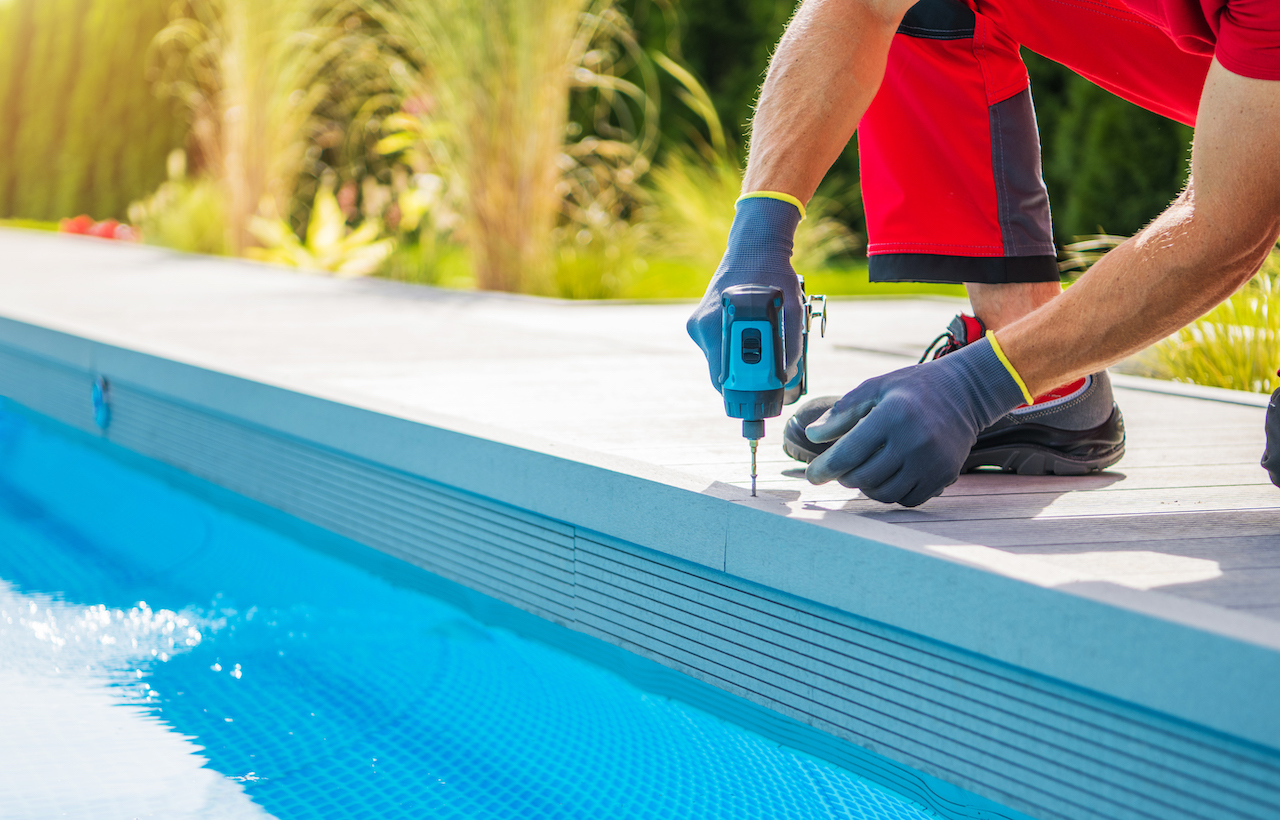
A backyard swimming pool can completely change how homeowners enjoy their outdoor space. It creates a place for family activities, summer gatherings, exercise, and relaxation without leaving home. However, building a pool requires more than choosing an attractive shape. Homeowners need to consider property size, construction materials, equipment, safety, and long term maintenance. Working with experienced pool professionals makes it easier to plan a project that meets these needs. For homeowners considering custom pool construction, understanding the design and installation process is the first step toward creating a beautiful and functional backyard.
Why Professional Pool Planning Makes a Difference
Building a swimming pool is a major home improvement project, and every decision can affect the final result. From selecting the right location to choosing construction materials, proper planning helps avoid unnecessary expenses and delays. Homeowners looking for pool experts MA should consider professionals who understand pool design, site preparation, construction requirements, and equipment selection.
A well planned pool should complement the home’s architecture and available outdoor space. For example, a spacious backyard may accommodate a large rectangular pool with a surrounding patio, while a smaller property may benefit from a compact design with built in seating. The right layout also considers how people will access and use the pool.
Professional guidance helps homeowners compare practical options before construction begins. It also provides an opportunity to discuss budget expectations, preferred features, and maintenance requirements. Making these decisions early can create a smoother building experience.
Creating a Pool Design That Fits Your Lifestyle
Every homeowner has different expectations for a backyard swimming pool. Some want a space for children and family activities, while others prefer a peaceful outdoor retreat. A custom design should reflect how the pool will actually be used.
Choosing the Right Shape and Size
Pool dimensions and shape influence both appearance and construction costs. Rectangular pools are popular because they offer a clean appearance and provide plenty of room for swimming. Freeform designs create a softer look that can complement gardens and natural landscaping.
Before selecting a design, consider:
- The available backyard dimensions.
- The number of regular swimmers.
- Desired swimming depth and entry arrangements.
- Space for outdoor furniture and walking areas.
- Existing trees, landscaping, and property structures.
A suitable layout makes better use of the available space while keeping the backyard comfortable and accessible.
Selecting Features That Add Value
Additional features can make a swimming pool more enjoyable. Built in benches, tanning ledges, waterfalls, underwater lighting, and attached spas are common choices.
However, homeowners should prioritize features based on their needs and budget. A shallow lounging area may be more useful for everyday family enjoyment than an expensive decorative feature. Similarly, comfortable entry steps can improve accessibility for swimmers of different ages.
Choosing practical additions helps create a pool that looks attractive and serves a clear purpose.
Understanding the Pool Construction Process
Once the design is approved, construction can begin. Understanding the main stages helps homeowners know what to expect and how different decisions affect the project.
Site Evaluation and Excavation
The first stage involves examining the property and preparing the area for construction. Contractors evaluate soil conditions, drainage, equipment access, and possible underground obstacles.
Excavation follows once the site is ready. The ground is shaped according to the approved pool dimensions and depth. Proper preparation is important because the quality of the foundation affects the finished structure.
Structural Work and Pool Installation
For gunite pool construction, steel reinforcement is installed before the concrete material is applied. Plumbing lines and other essential systems are also incorporated into the structure.
After the shell has been completed and properly cured, the project moves toward interior finishing, equipment installation, and surrounding decking. Each stage requires attention to detail to help ensure the pool performs as expected.
The construction schedule depends on pool size, design complexity, weather conditions, permitting, and property requirements. Homeowners should discuss the expected timeline with their contractor before work begins.
Choosing Materials and Equipment for Lasting Performance
The materials and equipment selected for a swimming pool affect its appearance, operation, and maintenance needs. Homeowners should compare available options based on quality, expected lifespan, and overall cost.
Selecting the Right Interior Finish
Gunite pools offer several interior finish options, including traditional plaster, aggregate finishes, and decorative tile. Each material provides a different appearance and level of durability.
Plaster can be a practical choice for homeowners seeking a simple finish. Aggregate materials offer additional texture and visual appeal, while tile can create decorative accents around steps, waterlines, and other areas.
Investing in Efficient Pool Equipment
A reliable circulation and filtration system is essential for maintaining clean swimming water. Pumps, filters, heaters, and sanitation equipment should be selected according to the pool’s size and intended use.
Energy efficient pumps can help reduce electricity consumption, while properly sized filters support effective water circulation. Discussing equipment options during the planning stage helps homeowners avoid purchasing systems that are unsuitable for their pool.
Preparing for Long Term Pool Ownership
A swimming pool requires regular care after construction is complete. Homeowners should establish a maintenance routine that includes testing water chemistry, cleaning surfaces, removing debris, and checking equipment.
In Massachusetts, seasonal preparation is especially important. Colder temperatures mean many homeowners need to winterize their pools before freezing weather arrives. This usually involves preparing plumbing lines, protecting equipment, and covering the pool according to professional recommendations.
Spring opening also requires attention. Water chemistry, filtration, and equipment should be checked before regular swimming begins.
Homeowners should also plan for future expenses such as chemicals, electricity, cleaning supplies, and occasional equipment servicing. Understanding these costs makes pool ownership easier to manage.
For homeowners planning a new backyard swimming space, Affordable Pool provides an opportunity to explore pool design and construction options that balance personal preferences, property requirements, and project budgets. Discussing your ideas with an experienced pool professional can help determine the right layout, materials, and features for your outdoor space.
Frequently Asked Questions
How do I choose the right pool design for my backyard?
Consider your available space, family needs, preferred swimming activities, and budget. A professional site assessment can help identify suitable shapes, dimensions, and features.
How long does custom pool construction take?
The timeline varies depending on the pool design, site conditions, permits, weather, and finishing requirements. Many projects take several weeks or a few months to complete.
Are gunite pools suitable for custom backyard designs?
Yes. Gunite construction allows homeowners to select different shapes, depths, dimensions, steps, and decorative features according to their property and preferences.
What should I include in my swimming pool budget?
Your budget should account for excavation, construction materials, plumbing, electrical work, filtration equipment, interior finishes, decking, permits, and future maintenance.
Do swimming pools in Massachusetts need winter preparation?
Yes. Most outdoor pools require seasonal winterization to protect plumbing, equipment, and pool components from freezing temperatures.
Bring Your Backyard Pool Vision to Life
Creating a beautiful swimming pool starts with thoughtful planning and the right construction decisions. From choosing a practical layout to selecting durable materials and efficient equipment, every stage contributes to the final result. Working with experienced pool experts MA homeowners can rely on helps make the process more manageable and keeps the project focused on long term value.
Whether you want a family swimming area, a relaxing outdoor retreat, or a custom gunite pool, the right design can make your backyard more enjoyable for years.
Ready to get started? Call Now to discuss your pool design ideas and schedule a consultation!