
Dermal Fillers Treatment In Dubai: Enhance Your Facial Profile
Introduction
Facial balance plays an important role in overall appearance, and even subtle changes in volume or contour can influence how the face looks. As people age, natural collagen production declines, skin elasticity changes, and facial fat distribution gradually shifts. These changes may contribute to fine lines, deeper folds, flatter cheeks, and less-defined facial contours. Some individuals also naturally have areas of reduced volume that they would like to enhance without undergoing surgery.
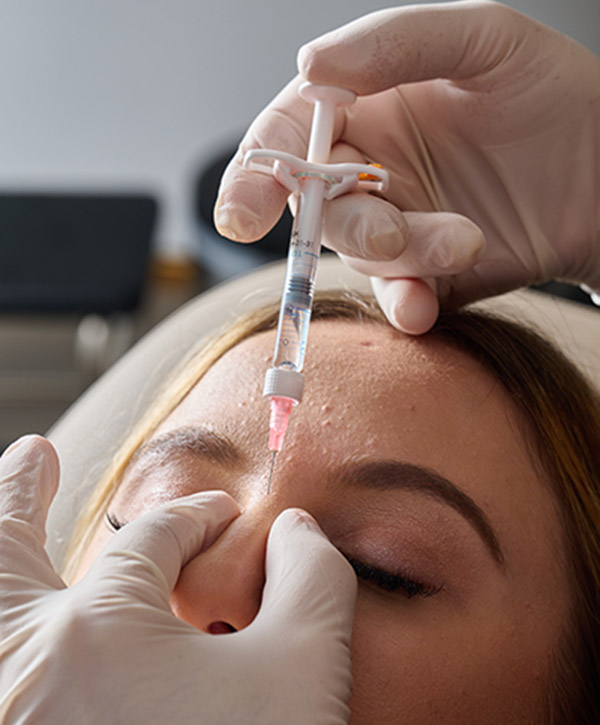
Dermal Fillers Treatment in Dubai offers a non-surgical approach to addressing selected facial concerns by restoring volume, softening certain lines, and enhancing specific features. Dermal fillers are injectable products that can be used in carefully selected areas, depending on the product’s properties, the patient’s anatomy, and the desired outcome. When administered appropriately, they may help create a refreshed appearance while maintaining natural facial proportions.
Dubai offers a variety of aesthetic treatments for people interested in facial rejuvenation and enhancement. However, choosing a treatment requires more than understanding its cosmetic benefits. Patients should also learn about the available filler types, treatment suitability, possible risks, and the importance of selecting a qualified medical professional.
Dr. Dragana Spica is a practitioner patients can research when exploring injectable treatments and facial enhancement options. A professional consultation can help determine whether dermal fillers are appropriate and which approach may best suit an individual’s facial structure and aesthetic goals.
What Are Dermal Fillers?
Dermal fillers are injectable substances designed to add volume beneath the skin, improve selected facial contours, and soften certain wrinkles or folds. Depending on their composition and intended use, they may be placed at different depths within the facial tissues.
Hyaluronic acid fillers are among the most commonly used options. Hyaluronic acid is a substance naturally present in the body that helps retain moisture and supports tissue hydration. In aesthetic medicine, specially formulated hyaluronic acid gels can be used to enhance volume and improve the appearance of specific facial areas.
Different products have different consistencies, lifting properties, and durations of effect. A filler designed to provide structural support in the cheeks may not be appropriate for delicate areas around the eyes or lips. Selecting the right product requires an understanding of facial anatomy and the characteristics of the intended treatment area.
Some fillers are designed to provide longer-lasting structural effects or stimulate collagen production. These products have different indications, limitations, and reversal options. They should not be treated as interchangeable with hyaluronic acid fillers.
The goal of treatment is not simply to add as much volume as possible. Instead, an appropriate plan considers the relationship between different facial features to create a balanced result.
Why Consider Dermal Fillers Dubai?
Many people explore injectable treatments because they want to improve particular facial features without the recovery associated with surgery. Fillers can offer a flexible approach to addressing concerns such as reduced cheek volume, certain facial folds, and a less-defined chin.
Dermal Fillers Dubai treatments may be tailored to different aesthetic goals. One patient may want subtle cheek enhancement, while another may wish to improve lip definition or soften the appearance of lines around the mouth. The treatment plan should reflect the individual’s anatomy rather than follow a standard approach for everyone.
A major consideration is achieving proportionate results. Excessive filler can create an unnatural appearance or distort the relationship between facial features. A conservative approach may be more appropriate, particularly for first-time patients.
Dubai patients should also consider the qualifications of the treating professional, the quality of the clinical setting, and the availability of follow-up care. A consultation should include a clear discussion of the proposed product, its expected effects, its limitations, and the risks involved.
The suitability of a treatment depends on the practitioner and the individual patient’s needs, not simply on the location where the procedure is offered.
Common Facial Areas Treated With Dermal Fillers
Dermal fillers can be used in several facial areas, but each region has different anatomical characteristics and safety considerations.
Cheeks and Midface
The cheeks contribute to the overall shape and structure of the face. Natural ageing and changes in facial fat distribution may cause the midface to appear flatter or less supported.
In suitable patients, cheek fillers can restore selected areas of volume and create more noticeable cheek contours. They may also improve the transition between the cheeks and surrounding facial areas.
The amount and placement of filler depend on the patient’s existing facial proportions. Excessive volume can make the face look heavy or overly full, so careful planning is essential.
Lips
Lip fillers may be used to enhance lip volume, refine the border, improve symmetry, or create a more defined appearance. The appropriate approach varies according to natural lip shape, facial proportions, and the patient’s preferences.
A gradual approach can help patients evaluate their results and avoid unnecessary enhancement. The goal should be to complement the natural shape of the lips rather than create an appearance that does not suit the rest of the face.
Chin
The chin contributes to the balance of the lower face and side profile. In selected cases, fillers can add projection or improve the appearance of a mildly recessed chin.
Chin enhancement may help create a more balanced relationship between the chin, lips, and nose. However, fillers cannot correct every structural concern, and patients with significant skeletal differences may require assessment for other treatment options.
Jawline
Jawline fillers may be considered by individuals seeking a more defined lower facial contour. Treatment can add volume in selected areas to improve the appearance of the jawline and its transition toward the chin.
The results depend on the patient’s bone structure, skin quality, and existing facial volume. Fillers cannot replicate the effects of surgery or fundamentally change the underlying jawbone.
Nasolabial Folds
Nasolabial folds are the lines that extend from the sides of the nose toward the corners of the mouth. They become more noticeable in some individuals as facial volume shifts and skin elasticity changes.
Fillers may soften these folds in suitable cases. However, treating the line directly is not always the best approach. A clinician may need to assess surrounding areas, including the cheeks, to determine whether a broader facial strategy would be more appropriate.
Under-Eye Hollows
Some patients experience hollowing beneath the eyes that creates shadows and a tired appearance. In carefully selected cases, specialised fillers may help improve the transition between the lower eyelid and cheek.
The under-eye region requires particular caution because it has delicate tissues and a meaningful risk of prolonged swelling, visible irregularities, and vascular complications. Not everyone is a suitable candidate, and alternative treatments may be preferable.
How Dermal Fillers Treatment in Dubai Works
The process generally begins with a consultation, followed by treatment planning and injection if the patient is considered suitable.
Initial Consultation
During the consultation, the practitioner reviews the patient’s medical history, facial anatomy, previous aesthetic treatments, allergies, and expectations. Information about medications and supplements is also important because certain substances may influence bruising or other treatment considerations.
Patients should disclose any previous filler injections, including the product and treatment area when known. They should also discuss relevant medical conditions, active skin infections, and any history of severe allergic reactions.
The practitioner assesses the face at rest and during movement. This helps identify areas where volume enhancement may be appropriate and where adding filler could create an undesirable result.
A responsible consultation includes a discussion of alternatives, potential complications, and the limitations of the proposed treatment.
Selecting the Appropriate Filler
Different fillers are developed for different purposes. Some are formulated for subtle movement and flexibility, while others provide more structural support.
The practitioner selects a product based on the treatment area, tissue characteristics, desired effect, and safety considerations. Patients should be told which product will be used and should have an opportunity to ask about its properties and expected duration.
Not all fillers can be dissolved. Certain hyaluronic acid fillers can be broken down using hyaluronidase, but this does not guarantee that every complication can be fully reversed. Other filler materials have different management requirements.
The Injection Procedure
The treatment area is assessed and prepared before injections begin. Depending on the product and treatment plan, a topical anaesthetic or a filler containing a local anaesthetic may help reduce discomfort.
The practitioner uses an appropriate injection technique to place the product in the intended tissue. The number of injections and the amount of filler depend on the area being treated.
The appointment may be relatively brief, but treatment duration varies with the complexity of the plan and the number of areas involved.
After treatment, the practitioner provides instructions about aftercare, expected swelling, and symptoms that require urgent medical attention.
Benefits of Dermal Fillers Treatment
For appropriately selected patients, dermal fillers may provide several cosmetic benefits.
One potential benefit is the restoration of facial volume. Adding carefully measured amounts of filler to selected areas may improve contours that have become less prominent over time.
Fillers may also soften certain facial lines and folds. The degree of improvement depends on the depth of the line, the surrounding anatomy, and the product used.
Another benefit is the ability to tailor treatment to individual preferences. Patients may choose to address one feature or consider several areas as part of a coordinated plan. A conservative treatment strategy can help maintain facial balance and avoid excessive enhancement.
Many filler treatments require little downtime compared with surgery. However, temporary swelling, bruising, redness, tenderness, and other side effects can occur, and patients should allow time for initial recovery.
Results are not permanent in most cases, and maintenance treatments may be considered when the effects diminish. The appropriate timing depends on the product, treatment area, individual metabolism, and clinical assessment.
It is important to remember that fillers do not stop the ageing process, improve every skin concern, or guarantee a particular aesthetic outcome.
Who Is a Suitable Candidate for Dermal Fillers?
Suitability depends on the individual’s health, anatomy, expectations, and treatment goals. Adults seeking to improve selected facial contours or restore volume may be considered for treatment following an appropriate assessment.
A suitable candidate should understand that results vary and that complications are possible. Patients should be comfortable discussing their goals and accepting the practitioner’s recommendation if a requested treatment is unsuitable.
People with active skin infections or inflammation near the intended injection site may need to postpone treatment. Certain medical conditions, allergies, pregnancy, breastfeeding, and medication-related factors may also affect the decision. These circumstances should be discussed with a qualified clinician rather than assessed through general online guidance alone.
Patients who have previously experienced filler complications should disclose this information before receiving additional injections.
A practitioner should also consider whether the patient’s concern is actually caused by volume loss. Skin laxity, pigmentation, muscle movement, and bone structure may require different approaches. In some cases, the most appropriate recommendation may be a different treatment or no treatment at all.
Safety and Potential Risks of Dermal Fillers
Although dermal fillers are widely used, they are medical procedures and should not be considered risk-free.
Common temporary side effects include redness, swelling, tenderness, bruising, and small lumps at the injection site. Some patients may experience asymmetry or an uneven contour, while others may develop delayed inflammatory reactions or persistent nodules.
More serious complications can occur if filler enters or compresses a blood vessel. Vascular occlusion can damage surrounding tissue and, in rare cases, cause blindness or other severe complications.
Warning signs may include unusual or increasing pain, skin that becomes pale or develops a mottled purple appearance, coolness in the affected area, or unexpected visual symptoms. Sudden vision changes, severe eye pain, or other visual disturbances after filler injections require immediate emergency assessment. Patients should not wait for a routine follow-up appointment if these symptoms develop.
Choosing a properly qualified medical professional with detailed knowledge of facial vascular anatomy and a clear emergency management plan is essential. Patients should confirm that the practitioner uses approved products from traceable sources and works in an appropriate clinical environment.
A responsible provider will explain the risks before treatment and will not promise that complications are impossible.
Choosing the Best Dermal Fillers in Dubai
Finding the Best Dermal Fillers in Dubai involves evaluating clinical expertise, product selection, safety standards, and the quality of the consultation.
Patients should verify the practitioner’s relevant qualifications and licensing. Experience with the intended treatment area is also important because the techniques and risks associated with cheek enhancement may differ from those involved in lip or under-eye injections.
The practitioner should explain why a specific product is appropriate and what results can reasonably be expected. Patients should also ask about possible side effects, the duration of results, the availability of follow-up care, and the management of complications.
Before-and-after photographs can provide useful context, but individual outcomes vary. Photographs alone cannot establish a practitioner’s qualifications or guarantee similar results.
When researching Best Dermal Fillers Doctors in Dubai, patients should look for professionals who prioritise facial balance and patient safety over aggressive treatment plans. A trustworthy practitioner should be willing to decline an injection when the risks outweigh the potential benefits.
Patients should avoid treatments offered in unsuitable settings or by individuals who cannot clearly identify the product being injected. The ability to explain the procedure, answer questions, and provide appropriate aftercare is an important part of responsible aesthetic care.
Dr. Dragana Spica is a name patients may research when exploring facial injectable treatments. Those interested in learning about the available treatment options can review the dermal filler treatment page and visit the official practice website. A direct consultation is necessary to discuss personal suitability, confirm professional credentials, and establish an appropriate treatment plan.
Aftercare Following Dermal Filler Injections
Appropriate aftercare helps patients manage common temporary side effects and recognise potential complications.
Mild swelling, redness, and tenderness may occur shortly after treatment. These effects generally improve over time, although the recovery period varies according to the product and injection site.
Patients should follow the practitioner’s specific instructions regarding exercise, heat exposure, skincare products, and other activities. They should avoid unnecessary pressure or manipulation of the treated area unless the clinician specifically recommends otherwise.
Makeup should be used according to the practitioner’s advice, particularly when injection points remain irritated. Patients should not attempt to correct lumps or asymmetry by massaging the area without professional guidance.
Follow-up may be recommended to assess the result and determine whether any further treatment is appropriate. Additional filler should not be added automatically; the clinician should first evaluate the settled result and the patient’s concerns.
Any symptoms suggestive of a vascular complication require urgent assessment rather than routine aftercare.
How Long Do Dermal Fillers Last?
The duration of results depends on the type of filler, the area treated, the amount injected, and individual factors such as metabolism and facial movement.
Some treatments may remain noticeable for several months, while certain products and treatment areas may retain their effects for longer. Areas with frequent movement may behave differently from areas where filler provides structural support.
Patients should be cautious about fixed promises regarding longevity. The practitioner can explain the expected duration of the specific product and the likely need for future assessment.
Repeated treatment should be guided by clinical evaluation rather than a rigid schedule. Overfilling can alter facial proportions and may contribute to an appearance that is heavier or less natural than intended.
Cost of Dermal Fillers Treatment in Dubai
The cost of treatment varies according to the type of filler, the number of syringes required, the areas being treated, the practitioner’s expertise, and the complexity of the treatment plan.
Patients should request a clear quotation before proceeding. The consultation should establish which product will be used, how much is proposed, what the fee includes, and whether follow-up appointments are covered.
It is generally unwise to choose a provider solely because the advertised price is low. Product authenticity, appropriate clinical standards, and the ability to manage complications are important considerations when evaluating treatment options.
A personalised consultation helps patients understand the expected cost and whether the proposed treatment offers an appropriate balance between potential benefits and risks.
Frequently Asked Questions
What Are Dermal Fillers Used For?
Dermal fillers are used to restore selected areas of facial volume, enhance contours, and soften certain wrinkles and folds. The appropriate application depends on the product, the patient’s anatomy, and the practitioner’s assessment.
Is Dermal Fillers Treatment in Dubai Painful?
Some discomfort may occur during injections, but certain products contain local anaesthetic, and additional comfort measures may be available. Temporary tenderness, swelling, and bruising can occur after treatment.
How Soon Can I See the Results?
Some changes are visible immediately after injection. However, initial swelling may temporarily affect the appearance, so the result should be assessed after the tissues have settled according to the practitioner’s guidance.
Are Dermal Fillers Permanent?
Most commonly used hyaluronic acid fillers are temporary, although their effects can last for different periods depending on the product and treatment area. Some other filler materials have longer-lasting effects and cannot be dissolved in the same way.
Can Dermal Fillers Make My Face Look Natural?
Natural-looking results may be achieved when treatment is tailored to facial proportions and conservative amounts are used where appropriate. However, outcomes vary, and excessive filler can create an unnatural appearance.
Are Dermal Fillers Safe for Everyone?
No. Suitability depends on medical history, allergies, the treatment area, and other individual factors. A qualified clinician should assess these considerations before recommending treatment.
How Do I Choose a Dermal Filler Doctor in Dubai?
Check the practitioner’s licensing, relevant training, experience, product selection, and approach to complication management. A good consultation should include a clear explanation of the expected results, risks, alternatives, and aftercare.
Conclusion
Dermal fillers can offer a non-surgical way to enhance selected facial features, restore volume, and improve certain facial contours. When used appropriately, they may help create a refreshed appearance while preserving the natural relationship between different features.
Choosing Dermal Fillers Treatment in Dubai should begin with a thorough consultation, a realistic understanding of the potential results, and careful consideration of safety. The right treatment depends on the patient’s anatomy, individual goals, and the clinical judgement of a qualified practitioner.
Patients researching Dermal Fillers in Dubai should prioritise professional qualifications, authentic products, transparent communication, and access to appropriate follow-up care. By taking these factors into account, individuals can make an informed decision about whether dermal fillers are suitable for their facial enhancement goals.