
Best Tummy Tuck Dubai: What Makes a Personalised Abdominal Contouring Plan Important?
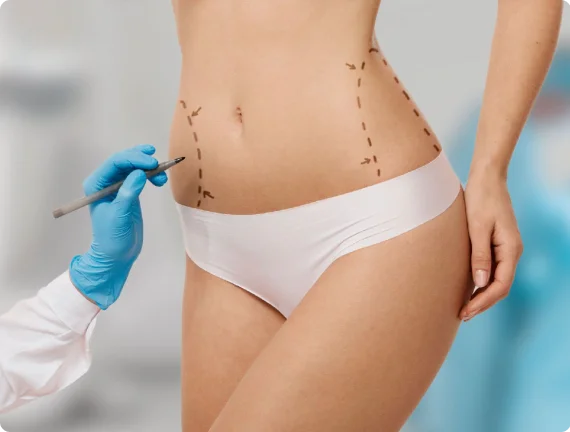
Abdominal appearance can change over time due to pregnancy, significant weight fluctuations, ageing, and natural changes in skin elasticity. For some individuals, these changes result in loose abdominal skin, weakened underlying muscles, or stubborn areas of fat that remain despite maintaining a healthy lifestyle. A tummy tuck is a surgical procedure designed to address selected concerns by removing excess skin and, when appropriate, tightening the abdominal muscles to create a firmer and more defined midsection.
However, every individual has different abdominal anatomy, aesthetic preferences, and treatment requirements. This is why a personalised approach is particularly important when considering the Best tummy tuck dubai options. Rather than following a standard surgical approach, an experienced surgeon evaluates the patient’s body structure, skin condition, muscle support, and desired outcome before developing an appropriate treatment plan.
Personalised abdominal contouring helps ensure that the surgical technique, extent of skin removal, and muscle correction are selected according to individual needs. Understanding these factors can help patients make informed decisions and develop realistic expectations before undergoing treatment.
Why Is Personalised Planning Important for Tummy Tuck Surgery?
A tummy tuck is not a one-size-fits-all procedure. Two individuals may have similar concerns about their abdominal appearance but require different surgical approaches. One person may primarily have loose skin below the belly button, while another may experience significant skin laxity across the entire abdomen combined with abdominal muscle separation.
A personalised treatment plan allows the surgeon to identify these differences before recommending a procedure. The assessment considers the amount and location of excess skin, the distribution of abdominal fat, muscle condition, body proportions, and the patient’s overall aesthetic goals.
For example, someone with limited lower abdominal skin laxity may be suitable for a mini tummy tuck, whereas someone with more extensive skin excess may benefit from a full tummy tuck. The decision depends on clinical findings rather than personal preference alone.
This individualised approach helps establish a surgical plan that addresses the patient’s main concerns while maintaining natural-looking abdominal proportions.
How Does Abdominal Anatomy Influence the Surgical Approach?
Understanding abdominal anatomy is an essential part of developing a personalised contouring plan. The abdomen consists of several structures, including the skin, underlying fat, connective tissues, and abdominal muscles. Each contributes to the overall shape and firmness of the midsection.
During consultation, the surgeon examines how these structures contribute to the patient’s abdominal appearance.
Skin Elasticity and Excess Skin
Skin elasticity determines how well the abdominal skin can adapt to changes in body shape. Pregnancy and significant weight loss can stretch the skin, sometimes leaving excess tissue that does not return to its previous position.
The surgeon evaluates the amount of loose skin and identifies whether it is concentrated around the lower abdomen or extends towards the upper abdominal area.
This assessment helps determine how much skin may need to be removed and where the surgical incision should be positioned. The aim is to improve abdominal contours while considering the patient’s natural body proportions.
Abdominal Muscle Separation
Some individuals experience separation of the abdominal muscles, commonly known as diastasis recti. This condition can develop following pregnancy or significant changes in abdominal pressure.
Muscle separation may contribute to a protruding abdominal appearance, even when excess fat is not the primary concern.
If muscle separation is identified, the surgeon may recommend abdominal muscle repair as part of the tummy tuck procedure. This involves bringing the separated muscles closer together to improve abdominal support and create a firmer appearance.
Not every patient requires muscle tightening. A personalised assessment helps establish whether this additional surgical step is appropriate.
Fat Distribution
The location and amount of abdominal fat can also influence the treatment plan. Some patients have relatively good skin quality but experience localised fat deposits around the waist or lower abdomen.
Others have both excess skin and underlying fat that contribute to a less defined abdominal profile.
The surgeon evaluates these concerns to determine whether skin removal alone, muscle repair, or a combination of contouring techniques may be appropriate.
Which Type of Tummy Tuck Is Suitable for Different Body Types?
Selecting the appropriate tummy tuck technique is one of the most important decisions in personalised abdominal contouring. The procedure should reflect the extent of skin laxity, muscle condition, and the patient’s desired improvement.
Mini Tummy Tuck
A mini tummy tuck is generally considered for individuals with a relatively small amount of loose skin concentrated below the belly button.
This approach usually involves a shorter incision and focuses on the lower abdominal area. It may be suitable when the upper abdominal skin has reasonable elasticity and there is no need for extensive correction.
The surgeon evaluates whether the patient’s concerns can be addressed through a limited procedure rather than recommending a more extensive operation.
Full Tummy Tuck
A full tummy tuck may be considered for patients with excess skin extending across a larger portion of the abdomen.
This procedure generally involves removing excess abdominal skin, repositioning the belly button when necessary, and addressing abdominal muscle separation if indicated.
It is commonly considered following pregnancy or substantial weight loss when changes affect both the upper and lower abdominal regions.
Extended Tummy Tuck
Some patients have excess skin extending beyond the front of the abdomen towards the flanks or sides of the waist.
An extended tummy tuck may be considered when a broader area requires correction. The surgical plan is developed according to the distribution of loose skin and the patient’s body proportions.
Choosing between these approaches requires a detailed examination rather than relying on general descriptions or photographs alone.
How Do Personal Aesthetic Goals Shape the Treatment Plan?
A successful abdominal contouring plan should consider what the patient wants to improve. Some individuals prioritise a flatter lower abdomen, while others are more concerned about loose skin, abdominal definition, or the appearance of their waistline.
During consultation, the surgeon discusses these preferences and evaluates whether they are achievable through tummy tuck surgery.
For instance, a patient who is primarily concerned about loose skin may require a different approach from someone whose main concern is abdominal muscle separation.
Body proportions are also important. The surgeon considers the relationship between the abdomen, waist, hips, and surrounding areas when planning the procedure.
The objective is not to create an identical result for every patient but to develop an approach that complements their natural anatomy.
Clear communication during consultation helps ensure that the treatment plan reflects the patient’s priorities and that expectations remain realistic.
What Role Does Weight Stability Play in Personalised Abdominal Contouring?
Weight stability is an important consideration when planning tummy tuck surgery. Significant weight changes can affect the amount of abdominal fat and skin, potentially influencing the appearance of the surgical results.
Patients are generally encouraged to reach a stable and sustainable weight before considering surgery. This allows the surgeon to evaluate the abdominal area more accurately and determine the appropriate extent of correction.
For example, someone who is still planning significant weight loss may benefit from postponing surgery until their weight has stabilised.
Similarly, individuals considering future pregnancies should discuss their plans during consultation because pregnancy can stretch the abdominal skin and muscles again.
A personalised assessment takes these lifestyle considerations into account rather than focusing exclusively on the immediate surgical outcome.
How Is the Surgical Plan Developed During Consultation?
The initial consultation provides an opportunity to understand the patient’s concerns, review their medical background, and assess their abdominal structure.
The process usually involves several important stages.
Reviewing Medical and Lifestyle History
The surgeon discusses previous pregnancies, weight changes, previous abdominal procedures, general health, and relevant lifestyle factors.
This information helps establish whether the patient is an appropriate candidate and whether any additional assessments are necessary.
Physical Abdominal Assessment
The surgeon examines the abdominal skin, fat distribution, muscle condition, and the extent of tissue laxity.
Measurements and physical observations help determine which surgical technique may provide the most appropriate correction.
Discussing Surgical Techniques
Based on the examination, the surgeon explains the available approaches, including mini, full, or extended tummy tuck surgery.
If muscle repair or additional contouring is being considered, the reasons for including these techniques should also be explained.
Establishing Realistic Expectations
Patients should understand what the proposed procedure can achieve and which concerns may require a different treatment approach.
The consultation should also cover incision placement, expected recovery arrangements, and the anticipated changes in abdominal shape.
This structured process ensures that the final plan is based on individual clinical findings rather than a standardised treatment recommendation.
What Should Patients Consider When Comparing Tummy Tuck Options in Dubai?
When researching the Best tummy tuck dubai options, patients should look beyond promotional descriptions and focus on the surgeon’s qualifications, experience, consultation process, and approach to individual treatment planning.
An appropriate consultation should provide clear explanations about why a particular technique is recommended and how it relates to the patient’s anatomy.
Patients may also wish to understand the financial aspects of treatment. The Best tummy tuck Cost in dubai can vary depending on the surgical technique, complexity of the procedure, surgeon’s experience, hospital facilities, anaesthesia requirements, and individual treatment needs.
A detailed quotation should explain what is included in the proposed treatment package. Patients should ask whether consultation fees, hospital charges, anaesthesia, follow-up appointments, and post-operative support are included.
Rather than selecting a procedure based exclusively on price, it is important to understand the complete treatment plan and the expertise involved.
Why Is Individualised Recovery Planning Also Important?
Personalisation does not end when the surgical technique has been selected. Recovery arrangements should also reflect the patient’s procedure, general health, and lifestyle requirements.
A mini tummy tuck may involve different recovery considerations from a full or extended tummy tuck. Similarly, patients undergoing muscle repair may require particular attention to movement restrictions and abdominal support during the initial recovery period.
The surgeon provides instructions regarding physical activity, wound care, follow-up appointments, and gradually returning to everyday routines.
Patients should follow their individual post-operative guidance rather than comparing their recovery progress with someone who underwent a different procedure.
Planning time away from work, arranging assistance at home, and following scheduled reviews can help patients manage the recovery period more comfortably.
Conclusion
Personalised planning is an essential part of achieving appropriate outcomes from tummy tuck surgery. Every patient has a different combination of skin laxity, abdominal fat distribution, muscle condition, body proportions, and aesthetic expectations. These differences make individual assessment necessary before selecting a surgical technique.
Whether a patient may benefit from a mini, full, or extended tummy tuck depends on their abdominal anatomy and the extent of correction required. Muscle tightening should also be considered according to clinical findings rather than included automatically.
When exploring the Best tummy tuck dubai options, patients should prioritise an experienced surgeon who takes time to understand their concerns, explain suitable techniques, and develop a realistic treatment plan.
A carefully personalised approach helps ensure that surgical decisions are guided by individual needs, with attention to natural body proportions, appropriate treatment selection, and a well-planned recovery process.
Frequently Asked Questions
1. Why Is a Personalised Tummy Tuck Plan Important?
A personalised plan considers each patient’s skin condition, abdominal muscle structure, fat distribution, body proportions, and aesthetic goals. It helps the surgeon select an appropriate surgical technique instead of applying the same approach to every individual.
2. How Does a Surgeon Decide Between a Mini and Full Tummy Tuck?
The decision depends mainly on the location and amount of excess abdominal skin, skin elasticity, and muscle condition. A mini tummy tuck generally addresses limited lower abdominal concerns, while a full tummy tuck is considered when more extensive abdominal correction is needed.
3. Does Every Tummy Tuck Include Muscle Tightening?
No. Muscle tightening is not automatically required for every patient. It may be recommended when an examination identifies abdominal muscle separation that contributes to the abdominal appearance.
4. Can a Tummy Tuck Address Loose Skin After Pregnancy?
Yes. Tummy tuck surgery can address excess abdominal skin that remains after pregnancy. Depending on individual findings, the procedure may also include abdominal muscle repair when appropriate.
5. Is Weight Stability Important Before Tummy Tuck Surgery?
Yes. Maintaining a relatively stable weight helps the surgeon assess the abdominal area and plan the procedure more accurately. Significant weight changes after surgery may affect the abdominal contour.
6. What Factors Influence the Best Tummy Tuck Cost in Dubai?
The Best tummy tuck Cost in dubai depends on several factors, including the surgical technique, amount of correction required, surgeon’s expertise, hospital facilities, anaesthesia, and individual treatment requirements. Patients should request a personalised quotation following consultation.
7. Can Tummy Tuck Surgery Improve the Appearance of the Waistline?
Tummy tuck surgery primarily focuses on the abdomen, but removing excess skin and addressing muscle separation may also improve the overall waistline appearance. The extent of improvement depends on individual anatomy and the selected technique.
8. How Long Does It Take to Recover From a Tummy Tuck?
Recovery varies depending on the procedure, the extent of surgery, and individual healing. Patients undergoing more extensive surgery may need a longer recovery period. The surgeon provides specific instructions about activity restrictions and returning to normal routines.
9. Can Someone Have a Tummy Tuck After Significant Weight Loss?
Yes. Individuals who have experienced significant weight loss may consider tummy tuck surgery if excess abdominal skin remains. The surgeon evaluates skin laxity, weight stability, general health, and the patient’s treatment goals.
10. What Should I Discuss During My Initial Tummy Tuck Consultation?
Patients should discuss their abdominal concerns, previous pregnancies, weight history, aesthetic expectations, and desired changes. They should also ask about suitable surgical techniques, muscle repair, incision placement, recovery arrangements, and the complete treatment cost.