
Best Infrared Sauna UK: Comparing Sizes, Styles, and Comfort Features
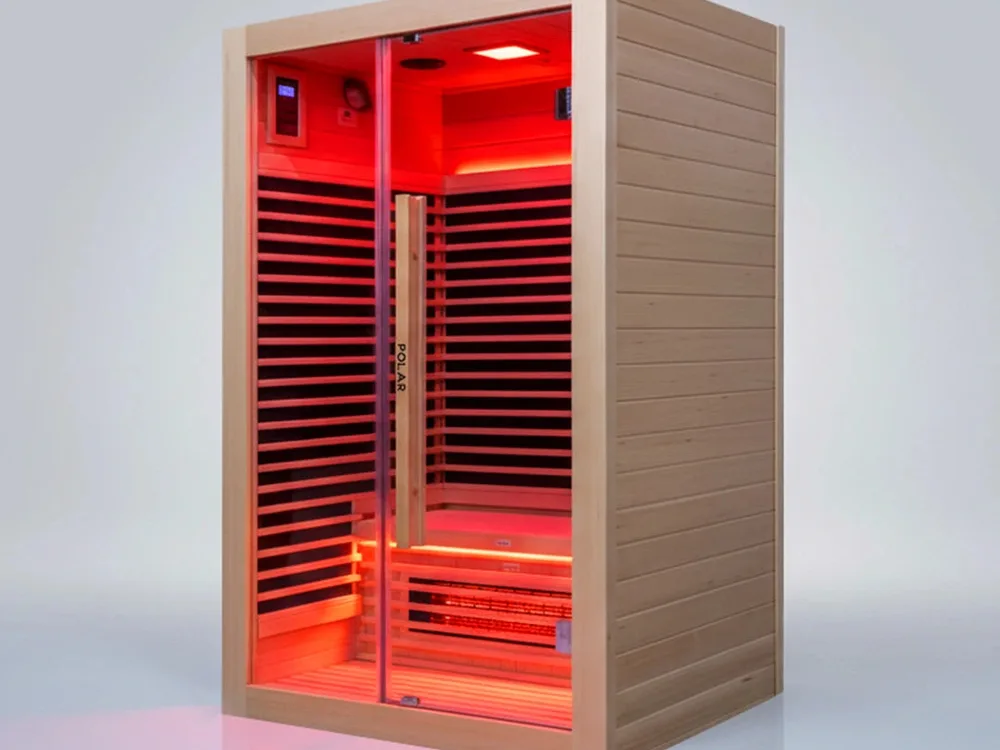
Choosing the right sauna for your home can transform your wellness routine into a relaxing and enjoyable experience. Infrared saunas are becoming a popular option for people who want to create a personal relaxation space without needing a large dedicated room. They are available in different sizes, styles, materials, and comfort configurations, making it easier to find a model that suits your lifestyle and available space.
When searching for the Best Infrared Sauna UK, it is important to look beyond appearance and compare practical features such as seating capacity, interior dimensions, heating technology, ventilation, lighting, and ease of use. A well-chosen sauna should complement your home, provide a comfortable environment, and fit naturally into your daily routine.
Health Mate is a name to consider when exploring infrared sauna options and comparing features designed for home wellness. Understanding the available designs and their differences can help you make a more informed decision.
Understanding Infrared Saunas
What Is an Infrared Sauna?
An infrared sauna uses infrared heating elements to produce radiant heat. Unlike a traditional sauna, which generally heats the surrounding air to create a hot environment, an infrared sauna uses infrared energy to warm the body directly while also warming the cabin. This approach is appealing to people who prefer a different type of sauna experience. Infrared models are available in compact personal designs, larger cabins for couples, and spacious units intended for multiple users.
When comparing an IR Sauna UK option, consider how its heating system, cabin design, and controls work together to create a comfortable experience. The best choice depends on personal preferences, available space, and how frequently you plan to use the sauna.
How Infrared Saunas Fit Into Home Wellness
A home sauna can provide a dedicated space to pause, relax, and take a break from a busy schedule. Some people incorporate sauna sessions into their evening routine, while others prefer using their sauna after exercise or during quiet periods at home.
Infrared sauna cabins can be installed in suitable indoor areas, such as a spare room, a home gym, or a designated wellness room. Certain models are designed for outdoor installation, offering additional flexibility for properties with suitable exterior space. Before choosing a design, think about where the sauna will be installed and how it will fit into your existing environment.
Comparing Infrared Sauna Sizes
One-Person Infrared Saunas
A one-person sauna is designed for individual use and is often a practical option for smaller homes, apartments, or dedicated personal wellness areas.
Its compact footprint can make placement easier, particularly when floor space is limited. Many personal models include a single seat, integrated heating panels, interior lighting, and straightforward controls. A one-person cabin may be suitable if you expect to use the sauna alone and want a private, personal environment. However, compare the interior measurements rather than relying exclusively on the advertised external dimensions. Seat width, cabin height, and legroom all influence the overall experience.
Two-Person Infrared Saunas
Two-person models are designed to accommodate two users. They can be a good choice for couples or households that want the option of sharing a sauna session. A two-person cabin typically requires more floor space than a single-person unit, but it may still fit comfortably in a spare room or home gym when the dimensions are planned carefully.
When comparing a two-person Infra Red Sauna UK model, check the seating arrangement, space between users, and ease of entering and leaving the cabin. A cabin marketed for two people should offer enough room for both users to sit comfortably without feeling restricted.
Three-Person and Larger Saunas
Larger infrared saunas provide additional seating space and may suit families or households where more than one person intends to use the cabin at the same time.
These models can offer a more open interior, wider seating arrangements, and greater flexibility in how users position themselves. Some larger designs also suit dedicated wellness rooms where the sauna forms part of a broader relaxation area. However, a larger sauna is not automatically the best choice. Consider how many people will regularly use it, how much installation space is available, and whether the additional capacity justifies the extra room it occupies.
Choosing the Right Size for Your Home
The ideal size depends on the available floor area, the number of intended users, and the level of comfort you expect.
Before making a decision, measure the proposed installation area carefully. Account for the sauna’s external dimensions, door clearance, access for assembly, and any space required by the manufacturer for ventilation or servicing. It is also useful to consider the route through which the sauna components will be brought into your home. Narrow hallways, stairs, and doorways may influence which cabin design is practical.
Exploring Different Infrared Sauna Styles
Traditional Wooden Cabin Designs
Wooden sauna cabins are popular because they create a natural and welcoming appearance. Their warm colours and simple finishes can complement a variety of interior styles. Different models may use different wood types, finishes, and panel arrangements. Compare the material specifications, construction quality, surface finish, and maintenance instructions before selecting a cabin.
A wooden design can work particularly well in a dedicated wellness room, home gym, or quiet corner intended for relaxation. Its appearance should complement the surrounding furniture and finishes rather than making the space feel overcrowded.
Contemporary Minimalist Saunas
Modern infrared saunas often feature clean lines, understated finishes, and simple control panels. These designs can suit contemporary homes where visual simplicity is a priority. Some models incorporate glass doors or glass sections that create a more open appearance. Others use solid wooden panels for a traditional, enclosed feel.
When comparing contemporary designs, balance appearance with privacy, seating comfort, cleaning requirements, and the practicality of the door arrangement.
Compact and Space-Saving Designs
Compact saunas are intended for homes where every square metre matters. They may have a narrower footprint, a single seat, and a simplified internal layout. These cabins can be useful for people who want a dedicated sauna without redesigning an entire room. However, the smallest model is not necessarily the most comfortable. Check the usable interior dimensions and ensure the seating position suits your height and preferred posture
Indoor and Outdoor Sauna Designs
Indoor and outdoor saunas differ in their construction requirements and installation considerations.
Indoor models are commonly designed for use in suitable rooms within the home. Their installation involves considering the floor surface, electrical supply, room conditions, and manufacturer ventilation requirements. Outdoor models are intended for appropriate exterior settings and may require weather-resistant construction, suitable foundations, and protection from the elements. Their materials and installation specifications should be designed for outdoor use.
Choose the location first, then compare sauna models specifically intended for that environment. An indoor model should not be placed outdoors unless the manufacturer explicitly confirms that it is suitable for outdoor installation.
Comfort Features to Compare
Heating Panel Design and Placement
Heating technology is one of the most important features to consider when choosing an infrared sauna. Different models may use different heating elements, panel configurations, and arrangements around the cabin. These choices influence how heat is distributed throughout the seating area. Look for clear information about the heating system, panel locations, available settings, and manufacturer specifications. Consider whether the design suits your preferred seating position and the way you expect to use the cabin.When evaluating the Best Infrared Sauna UK options, compare the complete heating system rather than focusing on a single technical specification.
Comfortable Seating and Back Support
Seating has a direct effect on how enjoyable a sauna session feels. A well-designed seat should provide suitable space and support for the intended user. Compare seat width, depth, height, backrest shape, and available legroom. If you are taller than average, check the cabin’s internal height and the distance between the seat and the ceiling.
For two-person models, look at how the seats are arranged and whether both users have enough personal space. A comfortable interior is often more important than decorative features that receive more attention in product photographs.
Temperature Controls
Easy-to-use temperature controls make it simpler to customise a sauna session according to personal preferences and the manufacturer’s guidance. Some cabins use basic digital controls, while others provide additional adjustment options. Depending on the model, controls may be positioned inside the cabin, outside the door, or in an integrated panel.
Compare the control layout, temperature range, display visibility, and available instructions. A straightforward interface can make regular use more convenient, particularly for people who prefer uncomplicated equipment.
Lighting and Ambience
Lighting can help establish the atmosphere of a home sauna. Some models feature standard interior lighting, while others include adjustable lighting options. Soft illumination may suit a quiet relaxation routine, whereas brighter lighting can make entering, exiting, and cleaning the cabin easier.
If ambience matters to you, compare the lighting controls and available settings. Also consider whether the design allows the sauna to coordinate with the lighting and decor of the surrounding room.
Ventilation and Airflow
A thoughtfully designed cabin should provide the ventilation specified by its manufacturer. Suitable airflow contributes to the overall comfort of the space and supports appropriate operation. Review the manufacturer’s installation instructions to understand the required clearances and ventilation arrangements. Avoid making assumptions based solely on the cabin’s size or appearance.
A model with clear installation guidance can make it easier to plan the room and understand the requirements before purchase.
Door Design and Ease of Access
The door should suit both the sauna’s location and the people who will use it. Glass doors can create an open visual effect, while solid doors may offer a more enclosed appearance. Consider the direction in which the door opens, the available space around it, the handle design, and how easily users can enter and leave the cabin.
These details are particularly important in compact rooms, where furniture or walls may limit movement.
Additional Convenience Features
Depending on the model, an infrared sauna may include features such as:
- Digital control panels
- Adjustable interior lighting
- Audio connectivity
- Integrated speakers
- Accessory shelves
- Ergonomic backrests
- Additional seating space
- Convenient cleaning access
Not every feature will be useful to every household. Make a shortlist of the functions you will actually use and compare models against those priorities.
Materials, Construction, and Maintenance
Choosing Suitable Materials
The cabin’s materials affect its appearance, construction, and ongoing care. Wood type, finish, panel quality, and the quality of the fittings are all worth examining. Request clear product specifications and check the manufacturer’s cleaning and maintenance guidance. A well-documented product makes it easier to understand what care is required over time. Health Mate can be included in your research when comparing sauna construction, design choices, and available product specifications.
Cleaning and Everyday Care
A sauna is easier to maintain when its surfaces and seating can be cleaned without complicated procedures. Before buying, review the recommended cleaning products and instructions. Check whether the seating, floor area, and other frequently touched surfaces are easy to access. After each session, follow the manufacturer’s guidance for wiping down surfaces and allowing the cabin to dry appropriately. Regular care helps keep the interior pleasant for future use.
Understanding Installation Requirements
Installation requirements vary according to the model, its size, and its intended location. Review the electrical specifications, assembly instructions, floor requirements, ventilation guidance, and any recommended clearance around the cabin. Some products are designed for straightforward assembly, while larger or more complex models may require professional installation.
Planning these details before purchase can help you select a sauna that fits your home and can be installed according to the manufacturer’s requirements.
How to Compare Infrared Sauna Prices and Value
Look Beyond the Initial Price
The price of an infrared sauna can vary according to its size, materials, heating technology, design, and additional features.
A compact model may have a lower initial price because it uses less material and provides fewer seating spaces. Larger cabins and models with more elaborate controls or additional features may cost more. Compare products with similar capacities and specifications to make a meaningful assessment. A cheaper sauna may not offer the seating comfort, construction details, or functions that matter most to you.
Check the Warranty and Customer Support
Warranty terms can differ between manufacturers and models. Review what is covered, the duration of coverage, any maintenance requirements, and the process for requesting assistance. It is also useful to understand the support available after installation. Clear documentation and accessible customer service can make ownership more convenient.
Consider Long-Term Convenience
Value is not determined by price alone. Think about how frequently you expect to use the sauna, how easily it fits into your routine, and whether its features will remain suitable for your needs. A correctly sized cabin with comfortable seating and easy controls may provide more practical value than a larger model with features you rarely use.
How to Choose the Best Infrared Sauna UK for Your Lifestyle
For Individuals and Smaller Homes
If you plan to use the sauna alone, a compact model may be the most practical option. Focus on comfortable seating, appropriate interior dimensions, straightforward controls, and a footprint that suits the intended room. Measure the installation space carefully and prioritise the features that will make regular use convenient.
For Couples
A two-person cabin may be a better fit if you want to share sessions. Compare seating width, interior space, heating panel placement, and the door arrangement. Make sure the dimensions provide enough space for both users rather than relying only on the advertised capacity.
For Families and Larger Wellness Rooms
A larger sauna can suit households that expect to use the cabin together or prefer additional interior space.
Consider the number of regular users, available room dimensions, installation requirements, and overall budget. Choose a model that fits your actual routine rather than purchasing extra capacity without a clear need.
For Design-Focused Homes
If the sauna will be a visible feature in your home, compare its wood finish, door style, lighting, and overall shape with the surrounding decor. Minimalist designs may complement modern interiors, while natural wooden finishes can create a warmer, more traditional atmosphere. A carefully selected sauna should feel like a natural part of the home rather than an item that disrupts the layout.
Why Researching Health Mate Can Help Your Decision
When comparing infrared sauna brands, it is useful to evaluate the available product specifications, construction details, comfort features, and after-sales support.
Health Mate is a brand to research when exploring options for a home infrared sauna. Compare the models available, their dimensions, heating systems, materials, controls, and installation requirements to determine whether a particular design meets your needs. Rather than choosing a sauna based on branding alone, use a consistent checklist to evaluate each model. This approach helps you compare products according to practical considerations and identify the features that matter most for your home.
Conclusion
Finding the Best Infrared Sauna UK involves balancing size, style, comfort, construction, and budget. A one-person model may suit a compact home, while a two-person or larger cabin may be more appropriate for shared use or a dedicated wellness room.
Pay attention to heating panel placement, comfortable seating, temperature controls, lighting, ventilation, and ease of access. Review the manufacturer’s installation and maintenance instructions, and make sure the chosen model is suitable for its intended location.
Whether you prefer a compact personal cabin or a spacious modern design, taking time to compare the details can help you create a comfortable home wellness space. Exploring options from Health Mate alongside other relevant specifications can support a more informed decision and help you choose a sauna that fits your lifestyle.
Frequently Asked Questions (FAQs)
1. What should I look for when choosing the Best Infrared Sauna UK?
Consider the sauna’s size, heating technology, seating comfort, materials, temperature controls, lighting, ventilation, and installation requirements. Compare the available specifications and select a model that suits your home and intended use.
2. What is the difference between an IR Sauna UK model and a traditional sauna?
An IR Sauna UK model uses infrared heating elements to produce radiant heat, while a traditional sauna generally heats the surrounding air using a conventional heater. The two types offer different heating experiences, so personal preference and the manufacturer’s specifications can help guide your choice.
3. Is an Infra Red Sauna UK model suitable for a small home?
Yes, some infrared saunas are designed for compact spaces. A one-person cabin may suit a smaller room, provided there is sufficient space for installation, access, and the clearances specified by the manufacturer. Always check the exact dimensions before purchasing.
4. Are two-person infrared saunas more comfortable than single-person models?
A two-person sauna provides room for shared sessions and may offer a more spacious interior. However, comfort depends on the cabin’s actual dimensions, seat design, and heating panel placement. The best size is the one that suits your intended use and available space.
5. Why should I compare Health Mate sauna specifications before buying?
Reviewing Health Mate product specifications can help you understand the available sizes, materials, heating systems, comfort features, and installation requirements. Comparing these details with your needs makes it easier to identify a suitable model for your home wellness space.