
Dental Crown Dubai: How Is a Crown Planned to Complement the Natural Smile?
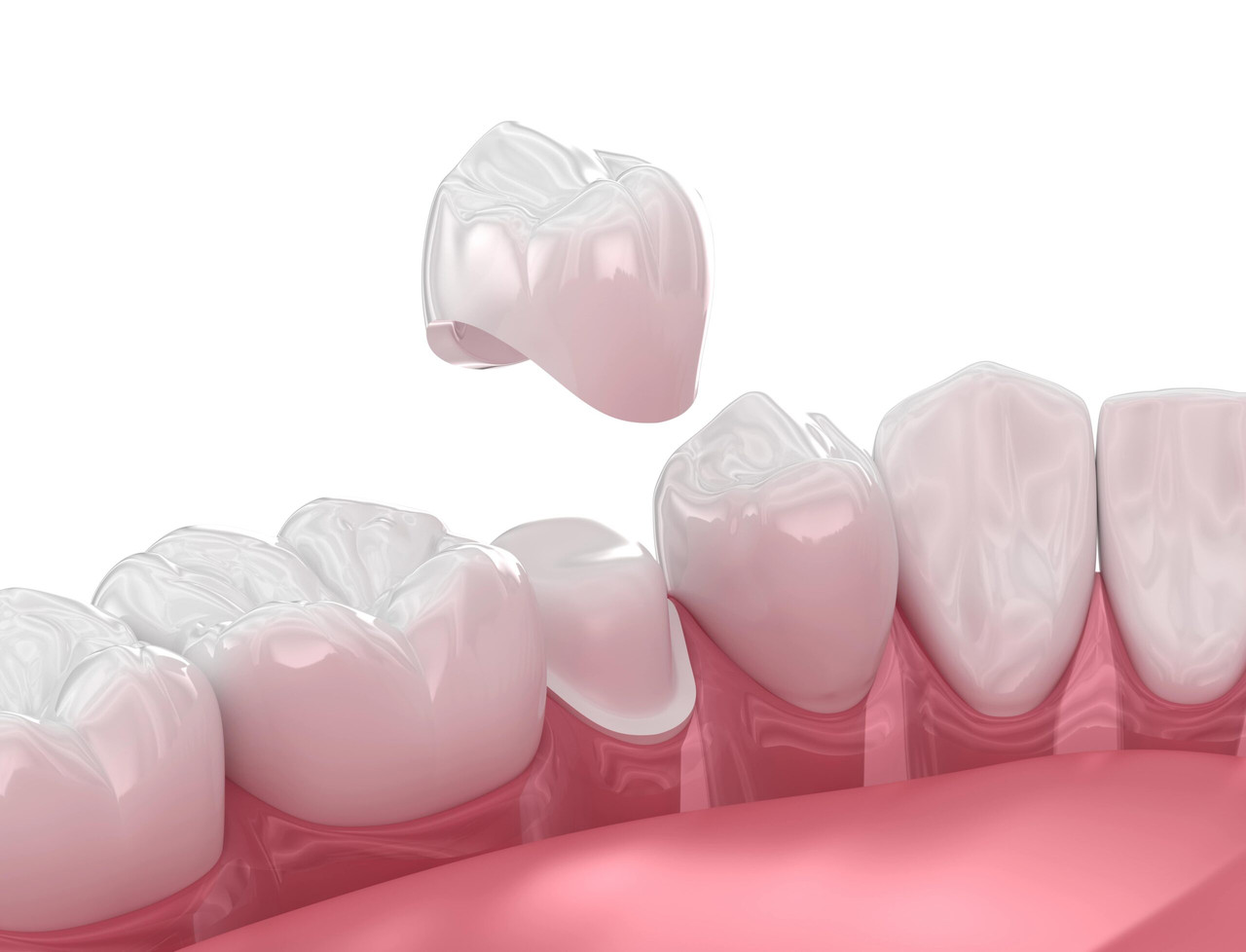 A dental crown is more than a covering placed over a tooth. When planned carefully, a crown can be designed to work with the patient’s existing teeth, facial features, bite, and overall smile. Because every person’s natural smile is different, the planning process involves several considerations before the final crown is created.
For patients considering Dental Crown Dubai, the initial consultation provides an opportunity to discuss the condition and appearance of the tooth, the desired result, and how the crown should relate to the surrounding teeth. The dentist may evaluate factors such as tooth shape, size, colour, alignment, gum position, and the way the upper and lower teeth meet.
At Cornerstone, personalized treatment planning can help ensure that the proposed crown is considered as part of the patient’s natural smile rather than as an isolated dental restoration. This approach allows functional requirements and aesthetic preferences to be discussed together.
Why Natural Smile Characteristics Matter
Every smile has individual characteristics. Teeth differ naturally in width, length, shape, shade, and position. The gum line can also vary from person to person, while facial proportions influence how the teeth appear when someone smiles.
A crown that looks appropriate in isolation may not necessarily complement the surrounding teeth if these factors are not considered. For this reason, dentists generally evaluate the tooth that needs restoration in relation to the rest of the smile.
During a Dental Crown Dubai consultation, the dentist can assess the existing smile and discuss the characteristics that should be maintained or incorporated into the crown design.
Assessing the Tooth Requiring a Crown
The first stage of planning involves examining the tooth that will receive the crown. The dentist may evaluate its current condition, size, shape, position, and relationship with neighbouring teeth.
The surrounding tooth structure provides useful information about the appropriate dimensions and appearance of the crown. The dentist can also assess how the tooth contributes to the patient’s smile when speaking and smiling.
This assessment forms the foundation for creating a restoration that fits within the existing dental structure.
Considering Tooth Shape and Proportions
Natural teeth are not identical rectangles. Incisors, canines, premolars, and molars each have distinctive shapes and proportions.
When a crown is being planned for a visible tooth, its shape may be designed to correspond with neighbouring teeth. The dentist can consider the width-to-length relationship, contours, edges, and overall appearance.
These details can make an important difference to the way the restored tooth integrates visually with the surrounding smile.
Matching the Crown With Adjacent Teeth
The teeth immediately beside a crowned tooth can provide important visual references. Their size, shape, colour, and position may all be considered during crown planning.
For example, a front-tooth crown may need to complement the adjacent incisors and the broader arrangement of the visible teeth. A crown that is significantly different in proportion or shade may appear less integrated.
The dentist can therefore examine the neighbouring teeth and use their characteristics as part of the design process.
Choosing a Suitable Crown Shade
Colour is an important consideration for a visible dental crown. Natural teeth can have subtle variations in shade, translucency, and brightness.
During the consultation, the dentist may assess the colour of the surrounding teeth and discuss the preferred shade for the crown. The aim is to select a colour that works naturally with the patient’s existing smile.
Shade selection may also depend on whether the crown is being placed on a front tooth or a less visible posterior tooth.
For patients considering Dental Crown Dubai, discussing colour preferences during the planning stage can help ensure that the restoration fits the overall smile.
Understanding Natural Tooth Translucency
Natural teeth can allow different amounts of light to pass through their structure. This translucency contributes to the way teeth appear under different lighting conditions.
A crown can be designed with characteristics that complement the surrounding teeth. The dentist may consider the visual properties of the adjacent natural teeth when discussing the restoration.
This is particularly relevant for crowns placed toward the front of the mouth, where the restoration may be highly visible.
Evaluating the Gum Line
The gum line contributes to the overall appearance of a smile. Its position and relationship with the teeth can influence perceived tooth length and symmetry.
When planning a crown, the dentist may assess how the restoration will meet the surrounding gum tissue and how the crown’s shape relates to the existing gum line.
Considering the gum-to-tooth relationship helps ensure that the crown is planned as part of the complete smile rather than as an independent structure.
Considering Facial Proportions
A person’s facial proportions can provide useful context when planning an aesthetically oriented dental restoration.
The relationship between the teeth, lips, mouth, and face can influence how a crown appears when the patient smiles. A dentist may therefore consider the broader facial context rather than evaluating the tooth alone.
This is one reason individualized dental planning is important. The same crown dimensions may appear different depending on the patient’s facial and dental proportions.
Evaluating the Smile Line
The smile line refers to the relationship between the visible teeth and the lower lip when smiling. It can influence which teeth are visible and how their proportions are perceived.
During a cosmetic dental assessment, the dentist may evaluate the patient’s smile from different perspectives. This can help determine how the crown should relate to the visible teeth.
A crown on a highly visible front tooth may require particularly careful attention to shape, proportion, and shade because it forms part of the patient’s overall smile line.
Assessing Tooth Alignment
The position of the tooth within the dental arch is another consideration. Teeth can naturally vary in alignment and orientation.
When planning a crown, the dentist may consider the tooth’s position relative to adjacent teeth and the overall dental arch.
The goal is to design a restoration that fits the existing dental arrangement while meeting the functional requirements of the tooth.
Understanding the Bite
A dental crown must also work within the patient’s bite. The upper and lower teeth meet in a specific relationship, and the crown needs to function within that arrangement.
The dentist may assess how the tooth contacts opposing teeth during normal biting and chewing. This information can influence the crown’s shape and dimensions.
Considering the bite during planning helps integrate the restoration into the patient’s existing dental function.
Considering Tooth Function
Different teeth perform different functions. Front teeth contribute to biting and speech, while premolars and molars play important roles in chewing.
The crown’s design therefore needs to reflect the role of the tooth being restored. Its shape and contours can be planned according to its location and functional purpose.
Aesthetic considerations are important, but they are considered alongside the functional requirements of the individual tooth.
Discussing the Desired Smile Appearance
Patients should communicate what they want from their dental crown. Some may prefer a subtle restoration that closely resembles their natural teeth, while others may want a brighter or more refined appearance.
The dentist can discuss these preferences and explain how they relate to the patient’s existing smile.
Photographs or examples may help communicate a patient’s preferred style. However, the final crown design should be adapted to the individual’s teeth, facial characteristics, and functional requirements.
Considering the Material of the Crown
Different crown materials have different visual and functional characteristics. The dentist can discuss the options available and explain which may be appropriate for the tooth being treated.
Material selection can take into account factors such as the location of the tooth, desired appearance, functional demands, and the characteristics of the surrounding teeth.
Patients can ask why a particular material is being considered and how it may influence the final appearance of the crown.
Digital Planning and Crown Design
Modern dentistry can incorporate digital tools into the assessment and planning process. Digital scans and imaging may provide detailed information about the teeth and surrounding structures.
These technologies can assist with measurements and the development of a customized restoration.
Digital planning may also make it easier to visualize aspects of the proposed crown and discuss design preferences before the final restoration is completed.
The specific technology used depends on the clinic and the patient’s treatment requirements.
Planning the Crown Around Existing Dental Work
Some patients already have fillings, crowns, veneers, or other dental restorations. These existing treatments may need to be considered when planning a new crown.
The dentist can evaluate the colour, shape, and position of existing restorations and determine how the new crown should relate to them.
This is particularly important when several visible teeth are involved in a patient’s smile.
Discussing Longevity and Maintenance
Patients can also ask how they should care for their crown after treatment. Good oral hygiene and routine dental appointments remain important for maintaining the health of the surrounding teeth and gums.
The dentist can provide guidance on cleaning, regular examinations, and habits that support long-term dental care.
Understanding maintenance requirements before treatment allows patients to incorporate appropriate care into their normal oral hygiene routine.
Understanding Dental Crown Cost in Dubai
Patients researching Dental Crown Cost in Dubai may find that prices vary according to several factors. These can include the type of crown material, the tooth being treated, laboratory requirements, the complexity of the restoration, and other aspects of the individualized treatment plan.
A consultation provides an opportunity to understand which type of crown may be appropriate and what factors contribute to the overall cost.
Rather than relying solely on a general price found online, patients can ask the dental clinic for a treatment-specific estimate.
What Patients Should Ask During Consultation
A consultation is an opportunity to ask practical and aesthetic questions. Patients may want to ask:
How will the crown be matched to my existing teeth?
Which crown material is being considered?
How will the crown’s shape be selected?
How will my bite be assessed?
How will the crown relate to my gum line?
What shade is likely to complement my natural smile?
What factors influence the Dental Crown Cost in Dubai?
These questions can help patients understand how their crown will be planned and why particular options may be proposed.
Preparing for Your Dental Crown Appointment
Before the appointment, consider what you would like to improve about the tooth and your smile. If appearance is important, think about whether you prefer a subtle restoration or a more noticeable change.
It can also be useful to bring questions about crown materials, colour, shape, function, maintenance, and cost.
Clear communication helps the dentist understand the patient’s priorities and incorporate them into the treatment planning process.
How a Crown Can Complement the Natural Smile
A well-planned crown should be considered in relation to the entire smile. Tooth shape, colour, proportions, gum position, facial features, smile line, and bite can all contribute to the final design.
The objective is not simply to create a new tooth but to develop a restoration that works within the existing dental environment.
For patients considering Dental Crown Dubai, personalized planning can provide an opportunity to balance appearance and function while taking individual characteristics into account.
Dental Crowns and Other Cosmetic Dental Treatments
Patients exploring cosmetic dentistry may also come across treatments such as Composite Veneers Dubai and Composite Veneers in Dubai. While both crowns and composite veneers can influence the appearance of teeth, they are different dental treatments with different purposes.
A dental crown covers and restores a prepared tooth, while composite veneers involve applying tooth-coloured composite material to the front surface of a tooth. The appropriate treatment depends on the condition of the tooth, the patient’s goals, and the dentist’s assessment.
Discussing these differences during consultation can help patients understand which treatment is relevant to their particular needs.
Conclusion
Planning a dental crown involves more than selecting a material and covering a tooth. The dentist can consider the tooth’s size and shape, neighbouring teeth, colour, translucency, gum line, smile line, facial proportions, alignment, bite, and functional role.
For patients considering Dental Crown Dubai, an individualized consultation provides the opportunity to discuss these factors and explain their preferred smile appearance. The crown can then be planned to complement the surrounding natural teeth while fitting within the patient’s overall dental structure.
Patients researching Dental Crown Cost in Dubai can also use the consultation to understand how material selection, treatment requirements, laboratory work, and other factors contribute to the overall cost.
At Cornerstone, discussing both functional requirements and aesthetic preferences can help create a personalized approach to dental crown planning and support a restoration that fits naturally within the patient’s smile.
Frequently Asked Questions
How is a dental crown planned to complement the natural smile?
The dentist may consider the tooth’s shape, size, colour, surrounding teeth, gum line, smile line, facial proportions, alignment, and bite when designing the crown.
Why are neighbouring teeth assessed before a crown is made?
Neighbouring teeth provide important references for the crown’s shape, dimensions, colour, and overall appearance. Assessing them helps the restoration integrate with the existing smile.
How is the crown colour selected?
The dentist can assess the shade and visual characteristics of the surrounding natural teeth before discussing an appropriate crown colour.
Does tooth shape influence crown design?
Yes. The shape and proportions of neighbouring teeth can provide useful references when designing the crown, particularly for visible front teeth.
Why is the gum line considered when planning a dental crown?
The gum line contributes to the appearance of tooth length and symmetry. Considering its position can help the crown fit naturally within the surrounding smile.
Does facial structure influence crown planning?
Facial proportions can provide additional context when planning an aesthetic restoration. The dentist may consider the relationship between the teeth, lips, mouth, and face.
Why does the dentist assess my bite before placing a crown?
The crown needs to function within the patient’s existing bite. Assessing how the upper and lower teeth meet helps inform the crown’s shape and dimensions.
What materials can be used for dental crowns?
Several crown materials are available, and the appropriate option depends on factors such as tooth location, aesthetic preferences, functional requirements, and the patient’s individual treatment plan.
What is Dental Crown Dubai treatment used for?
Dental Crown Dubai treatment involves placing a customized crown over a prepared tooth to restore its structure, appearance, and function according to the patient’s dental needs.
What does Dental Crown Cost in Dubai depend on?
Dental Crown Cost in Dubai can vary according to the crown material, tooth being treated, laboratory requirements, complexity of the restoration, and other elements of the individualized treatment plan.
Can I choose the colour of my dental crown?
Patients can discuss their preferred colour with the dentist. The final shade is generally considered in relation to the surrounding natural teeth and the desired overall appearance.
Can a crown be designed to look natural?
A crown can be customized according to the surrounding teeth, including factors such as shape, colour, proportions, and visual characteristics.
What should I ask during a dental crown consultation?
You can ask about crown material, colour, shape, bite assessment, treatment steps, maintenance, expected appearance, and Dental Crown Cost in Dubai.
How should I prepare for a dental crown consultation?
Think about what you would like to change about the tooth and your overall smile. Prepare questions about appearance, function, crown materials, maintenance, and cost.
What is the difference between a dental crown and composite veneers?
A dental crown covers a prepared tooth, while composite veneers generally involve applying tooth-coloured composite material to the front surface of a tooth. The appropriate option depends on the condition of the tooth and the patient’s goals.
Can existing dental work affect crown planning?
Yes. Existing crowns, fillings, veneers, or other restorations may be considered when planning a new crown so that its appearance and position work with the surrounding teeth.
Why is personalized crown planning important?
Natural smiles differ in tooth shape, colour, proportions, gum position, and bite. Personalized planning allows these individual characteristics to be considered when designing the crown.